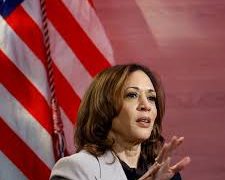



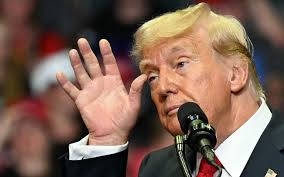












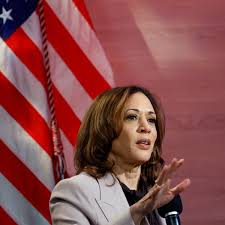
Vice President Kamala Harris is actively seeking to engage Black male voters in Georgia as part of her campaign strategy for the upcoming presidential election. This outreach is crucial as polls indicate that some Black men may be leaning towards former President Trump or considering not voting at all.

To address this, Harris has announced several initiatives aimed at resonating with Black male voters. These include pledging to legalize recreational marijuana, providing opportunities for Black Americans in the cannabis industry, and proposing 1 million forgivable loans for Black entrepreneurs to start their businesses. She also plans to implement guidelines for cryptocurrency, recognizing that over 20% of Black Americans have engaged with digital assets.
Additionally, Harris’s campaign emphasizes investing in education and health equity for Black men. This includes promoting mentorship programs and addressing health challenges like diabetes and mental health issues that disproportionately affect Black communities.
Harris is also utilizing various platforms to connect with voters, including town hall events and discussions with influential figures like Charlamagne tha God.
This multifaceted approach aims to rebuild support among Black men and increase voter turnout in pivotal swing states.
Preston Paris, a 19-year-old computer science student at Georgia State University, is making headlines for his decision to vote for Donald Trump in his first presidential election, despite his family’s long-standing Democratic affiliation. Paris expresses that he feels pressure from others to vote for Kamala Harris simply because she is a fellow African American. However, he firmly believes in Trump’s foreign policy and economic plans, stating, “I put my faith in Trump”
Paris’s choice reflects a broader trend among some young Black voters who are reevaluating their political affiliations, particularly in swing states like Georgia. This shift is significant as it highlights the complexities of voting behavior within the Black community, where traditional party loyalty is being challenged by individual perspectives on policy and leadership.
Georgia is emerging as a crucial battleground state in the upcoming presidential election, particularly given its significant Black voting population, which makes up nearly a third of the electorate. In the 2020 election, Joe Biden narrowly won Georgia by just 11,779 votes, a razor-thin margin that underscores the state’s pivotal role. Polling data has raised concerns within Kamala Harris’s camp. A survey from the Atlanta Journal-Constitution indicated that while Harris has the support of 73.8% of Black voters in Georgia, this is notably lower than the 88% support Biden received in 2020. In contrast, Donald Trump is currently polling at 7.6% among Black voters in the state, suggesting a potential shift in voter sentiment.