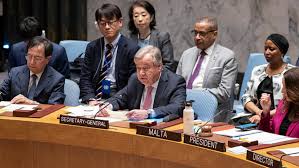





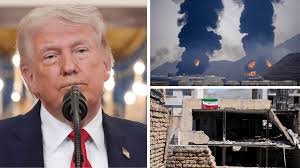










The UN Security Council convened an emergency meeting to address the escalating conflict between Israel and Iran. This urgent session was called in response to rising tensions and recent developments that threaten regional stability. Member states discussed the implications of the conflict, including humanitarian concerns and the potential for broader escalation. The meeting aimed to foster dialogue and explore diplomatic solutions to mitigate the crisis while emphasizing the need for a coordinated international response. The discussions reflect the global community’s commitment to addressing security challenges in the region and maintaining peace.

The United Nations Security Council will convene an emergency meeting today (Monday) at the request of Iran, in light of Israel’s recent missile strikes in retaliation for an October 1 attack attributed to Tehran. The Swiss presidency of the UNSC announced on Sunday that the meeting will occur following Iran’s request, which has garnered support from Algeria, China, and Russia.
The Israeli airstrikes on military targets in Iran last Saturday have heightened concerns that the Middle East is on the brink of a broader conflict, prompting global calls for restraint. Israeli Prime Minister Benjamin Netanyahu stated on Sunday that the country’s “precise and powerful” strikes on Iran had been successful, while Israeli forces continued to target areas in Gaza and Lebanon. The ongoing situation underscores the urgent need for diplomatic dialogue and de-escalation in the region.
According to AFP, Iranian leaders have downplayed the impact of the recent Israeli strikes, claiming they resulted in limited damage and the deaths of only four soldiers. In contrast, Israeli Prime Minister Benjamin Netanyahu asserted that the air raids successfully avenged a prior Iranian missile barrage against Israel. This retaliation was prompted by an October 1 attack in which Iran launched approximately 200 missiles at Israel, most of which were intercepted.
Netanyahu stated, “The attack in Iran was precise and powerful, achieving all of its objectives,” during a speech commemorating the anniversary of the Hamas attack on October 7 of the previous year. This ongoing conflict highlights the escalating tensions in the region and the complexities surrounding military actions and responses.
Netanyahu stated, “We kept our promise. The air force attacked Iran and hit Iran’s defense capabilities and missile production.” However, his speech was met with interruptions from relatives of the victims of the Hamas attack, prompting him to stand in silence for over a minute during the live broadcast of the ceremony.
Amidst growing public and diplomatic pressure for a resolution regarding the release of hostages held in Gaza, Israeli spy chief David Barnea is scheduled to visit Qatar for discussions aimed at renewing negotiations for a hostage deal, according to AFP. Families of the captives have urged the Israeli government to secure an agreement, particularly following the recent killing of Hamas leader Yahya Sinwar, who Israeli and U.S. officials identified as a significant barrier to such negotiations.