



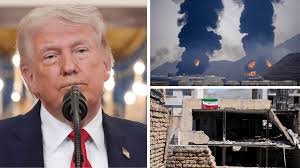










The United Arab Emirates (UAE) is facing the harshest consequences of the ongoing war between the United States and Israel against Iran, even though it has tried to remain neutral. The conflict, now eleven days in, has seen Iran launch over 1,700 missiles and drones toward the UAE, more than any other country, according to the nation’s defense ministry. While more than 90% have been intercepted by fighter jets, helicopters, and air defense systems, some projectiles still struck homes, offices, and roads in densely populated areas, resulting in four civilian deaths.

Geography and strategic importance make the UAE particularly vulnerable. Only about 100 kilometers of water separate it from Iran, making cities like Dubai and Abu Dhabi easily reachable by Iranian missiles and drones. Dubai, described as “the epicenter of globalization” by London School of Economics professor Fawaz Gerges, is a hub of international finance, tourism, and trade, which means attacks there resonate far beyond the Gulf. Even images of fires near international hotels or Dubai International Airport capture global attention, affecting perceptions of safety and stability.
The UAE’s role as a close ally of the U.S. has also made it a target. As a designated “major defense partner,” the country has invested heavily in American fighter jets, helicopters, and air defense systems, now actively engaged in protecting residents and expatriates. Iran’s strikes are partly a message to the U.S., demonstrating that even its allies are not immune to retaliation.
The economic impact is significant. The UAE has historically been one of Iran’s largest trading partners, second only to China, with bilateral trade reaching $28 billion in 2024. Iranian expatriates, numbering around half a million, also reside in the UAE, further highlighting the intertwined economies. Attacks on the UAE disrupt not only local life but also global trade, aviation, and financial networks.
Despite the danger, the UAE has not joined the war militarily, forbidding the use of its bases or airspace for attacks on Iran. President Mohamed bin Zayed al Nahyan visited the injured and issued a firm warning, asserting that the UAE is not an easy target. Public sentiment has shifted from shock to anger as the country realizes the extent of its exposure.
Even with ongoing threats, life in Dubai continues in parts, with residents and tourists trying to maintain normalcy amid the conflict. Yet the attacks serve as a stark reminder of the UAE’s precarious position in a war that began far from its borders but now directly affects its people, economy, and global reputation.#newsafro_