













Recent reports indicate a continued escalation of abduction and criminal activity across multiple states in Nigeria, despite intensified security operations by federal and state authorities. Between Monday night and Tuesday morning, approximately 20 individuals were abducted in Kwara and Kano states. These incidents follow the recent release of 38 worshippers abducted from Christ Apostolic Church, Oke-Isegun, Eruku, Kwara State, on November 18, after negotiations facilitated by the Department of State Services (DSS) and the military. No ransom was reportedly paid.

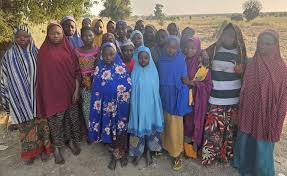
Similarly, 24 schoolgirls abducted from Government Girls’ Comprehensive Secondary School, Maga, in Kebbi State, were released following intensified security measures and high-level federal intervention.
In response to ongoing attacks, including the abduction of 10 individuals in Isapa community, Kwara State, President Bola Tinubu directed enhanced air and ground surveillance in affected forested areas, including Kwara, Kebbi, and Niger states. Presidential aide Sunday Dare confirmed that operations were expanded to maintain 24-hour monitoring and to coordinate with local security personnel.
Details of Recent Incidents
In Isapa, Kwara State, approximately 30 armed individuals stormed the settlement, resulting in the abduction of 10–11 residents, including pregnant women, nursing mothers, and children. Preliminary investigations indicate indiscriminate gunfire caused property damage, though no fatalities were reported. Security operatives have commenced combing the surrounding forest areas.
In Kano State, approximately 10 individuals were abducted from Biresawa and Tsundu communities. Residents reported prior warnings of imminent attacks but were overwhelmed by armed assailants.
In Nasarawa State, an alleged attack occurred during a church crusade in Agboda community, Mararaba Udege Area. One individual sustained a machete injury and the event was suspended.
Government Response and Negotiation Strategy
The Federal Government, through presidential spokesperson Bayo Onanuga, emphasized that negotiations were employed to secure the release of hostages while minimizing civilian casualties. The DSS and military reportedly communicated directly with abductors, resulting in the safe release of hostages in Kwara and Kebbi. Onanuga stressed that no ransom was paid.
Security experts and former officials have expressed divergent opinions regarding negotiation with criminals. Some emphasized the priority of preserving human life and securing hostages, while others argued that negotiation without enforcement risks emboldening perpetrators.
State-Level Initiatives
In Kwara State, Governor AbdulRahman AbdulRazaq inaugurated the ‘Safer Kwara’ Security Committee to develop strategic, localized security plans. The committee is tasked with producing a report within four weeks, including recommendations for surveillance, intelligence coordination, and community resilience.
In Kaduna State, police and military units, in collaboration with other security agencies, launched large-scale operations to dismantle criminal hideouts and restore order in multiple local government areas.
Public Reaction and Calls for Accountability
Political opposition parties, including the Peoples Democratic Party, New Nigeria People’s Party, Labour Party, and African Democratic Congress, criticized the government’s negotiation approach, highlighting concerns over national security and deterrence of future criminal activity. The Catholic Bishops Conference of Nigeria condemned attacks on communities, schools, and farms, emphasizing the need for decisive action, accountability, and protection of citizens’ rights.
The Inspector-General of Police, Kayode Egbetokun, and state authorities continue to oversee security operations, focusing on the safe recovery of remaining abducted individuals and restoring stability to affected communities.#newsafro_