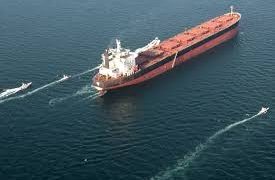

















As the United States and Israel’s conflict with Iran escalates, the Strait of Hormuz—a critical waterway through which around 20% of the world’s oil and liquefied natural gas flows—is now choking the movement of food and essential goods to the Persian Gulf. For countries in the region, including Saudi Arabia, the UAE, Qatar, and Iraq, the strait is more than just an energy route—it is a lifeline for more than 100 million people who rely heavily on imported food.

With summer temperatures exceeding 50°C (122°F) and limited arable land, the Gulf states depend on desalination plants for drinking water and foreign imports for most of their food. Saudi Arabia imports over 80% of its food, the UAE around 90%, and Qatar nearly 98%. Much of this passes through the strait, now effectively blocked due to repeated attacks on commercial vessels.
Retailers and shipping companies are scrambling to reroute cargo through alternative, costlier paths, often across India, Sri Lanka, or overland through Europe and Turkey. The disruption is driving up shipping costs dramatically. Daniel Cabral, procurement director at UAE-based fresh food retailer Kibsons International, said container freight costs have quadrupled in some cases, with surcharges up to $4,000 per shipment, on top of expensive trucking fees. He warned that consumer prices for dairy and fresh produce could rise by up to 20% in the coming weeks.
Air freight, another vital supply channel, has also been affected. Dubai International Airport was shut for 48 hours after Iran launched retaliatory strikes on February 28, delaying both passengers and cargo. Subsequent drone attacks temporarily suspended flights again, further complicating logistics.
Despite these challenges, major retailers like Spinneys are implementing contingency plans. Louis Botha, head of supply chains at the chain, said they are trucking containers from the UK through France and Turkey into Iraq, Saudi Arabia, and the UAE—a 12-day journey that is 40% cheaper than air freight.
Insurance and security remain critical concerns. Wartime clauses in shipping contracts allow carriers to reroute or refuse delivery in dangerous zones, but naval escorts from the US or EU are unlikely to arrive soon. Even if they do, oil tankers would likely be prioritized over cargo vessels, leaving food shipments vulnerable.
The World Food Programme warns that Gulf supply chains could face their most severe disruption since the onset of the Covid-19 pandemic and the full-scale Ukraine war. While there is no immediate hunger crisis, rising costs and reduced choice are now an unavoidable reality for millions of residents in the region.
The crisis underscores how the Strait of Hormuz is far more than an oil transit route—it is a vital artery for the food, water, and survival of populations across the Persian Gulf, and its blockade is sending ripples of economic and humanitarian strain far beyond the battlefield.#newsafro_