





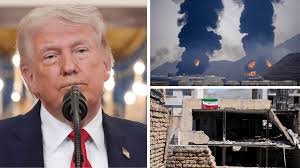










Even as Iran faces what may be the gravest threat to its regime, Tehran is signaling an intent to continue its conflict with the United States and Israel. Recent US-Israeli strikes have decimated Iran’s military and leadership structure, while the population contends with wartime shortages, damaged infrastructure, and increased militarization.

Despite these setbacks, Iranian leaders have projected escalatory rhetoric, emphasizing their capacity to endure further losses and a commitment to prolonging the war. Parliamentary speaker Mohammad Bagher Ghalibaf stated that Tehran will continue fighting until the enemy “truly regrets its aggression” and demanded post-war changes, including a new regional “status quo” and protocols governing the Strait of Hormuz.
Iran’s retaliation has included hundreds of missile and drone strikes on US allies and disruptions to global energy markets. Analysts note that Iran’s strategy relies on asymmetrical warfare — making the war costly for its adversaries without seeking conventional victory.
The Revolutionary Guard Corps (IRGC) has implemented contingency plans for decentralized operations, allowing Iran to continue strikes on civilian, economic, and energy infrastructure across the region. New IRGC commanders, shaped by recent decapitation strikes, are executing aggressive regional strategies designed to cement Iran’s influence.
Experts argue Iran’s endgame is survival and deterrence rather than outright military victory. By imposing continued economic and geopolitical costs on opponents, Tehran hopes to force accommodation, restore regional power, and dictate the terms of a post-war order. Meanwhile, Gulf Arab states reaffirm strategic alliances with the US and Israel, signaling the broader regional stakes of Iran’s extended conflict.#newsafro_