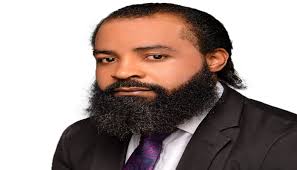














Cultural strategist and co-founder of Our Heritage Branding and Advertising Limited,Wilson Chibututu, has urged African nations to stop waiting for external validation and adopt “cultural intentionality” by 2026, framing culture as a serious economic asset rather than a ceremonial formality.

Chibututu emphasized that Africa’s challenge has never been a lack of cultural value but a failure to leverage its rich heritage as a driver of GDP, employment, and global influence. He noted that countries such as France, Italy, Thailand, and the UAE have successfully positioned tourism and culture as pillars of national infrastructure and soft power, whereas much of Africa continues to treat cultural assets informally rather than as structured industries.
“Africa is one of the richest cultural landscapes in the world, yet it commands a disproportionately small share of the global experience economy,” he said.
Drawing on his experience in repositioning major events such as the UNESCO-recognized Osun-Osogbo Festival, TwinsFest, and the Oronna Ilaro Festival, Chibututu highlighted that these festivals already have global appeal but often lack the institutional frameworks and long-term investment needed to scale sustainably. He stressed that the success of countries with comparatively shorter histories in generating billions from tourism, film, fashion, and storytelling comes down to structure, consistency, and packaging culture as a reliable product for the global market.
Chibututu also called on Africa’s corporate sector to adopt a more active role in cultural development, noting that thriving tourism economies rely on foundational support from private institutions such as banks, airlines, and telecommunications companies.
This philosophy inspired the creation of FlickFunds Africa, a platform designed to protect African creators from exploitation while ensuring they economically benefit from the growing global demand for African stories. Chibututu’s message underscores the need for intentional investment, strategic structuring, and self-recognition to unlock Africa’s full cultural and economic potential.#newsafro_