










Several Nigerian public figures have publicly addressed and responded to body-shaming incidents, transforming personal challenges into advocacy and empowerment initiatives.

Actress Nkechi Blessing encountered online criticism in September 2025 after an unflattering photograph of her midsection was taken without her consent during a gym session in Lagos and circulated online. The image prompted commentary from social media users and a former colleague, prompting Blessing to take legal action against the individual responsible for privacy invasion and defamation. Subsequently, she launched the “Big Belle Challenge,” encouraging women to share unfiltered photographs as a form of body-positivity advocacy.
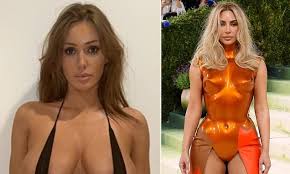
Former Big Brother Naija contestant Uriel Oputa has consistently confronted societal beauty standards, addressing online mockery regarding her physique and mixed-race heritage. She responded to criticism through public statements and the Boob Freedom campaign, partnering with lingerie brands to promote acceptance of natural body forms.
Florence Otedola, professionally known as DJ Cuppy, has faced both colourist and body-shaming commentary despite international recognition. Following online criticism of her skin tone and physique, she publicly affirmed her identity and leveraged her platform to support skin-positivity and anti-colourism initiatives.
Singer Ayra Starr has been subject to scrutiny over her fashion choices since 2021. Despite criticism of her clothing as “immoral,” she has consistently reinforced her self-expression through public statements and music releases, including confidence-themed singles that emphasize personal agency and empowerment.
Actress Etinosa Idemudia has addressed body-shaming linked to postpartum changes and Polycystic Ovary Syndrome. In interviews and social media engagements, she emphasized self-acceptance and framed cosmetic procedures undertaken as a personal choice rather than societal obligation.
Moyo Lawal has confronted harassment resulting from the non-consensual dissemination of intimate videos, resulting in online slut-shaming and threats to her personal safety. Lawal pursued legal action against those responsible and later created the film Curvy Queens, celebrating body acceptance. She continues to advocate for digital rights, consent, and the intersection of resilience and vulnerability in the public sphere.
These instances reflect broader public discourse on body image, digital consent, and societal expectations, highlighting the ways in which Nigerian public figures navigate personal experiences of criticism while promoting advocacy and self-empowerment.#newsafro_