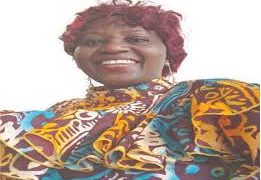













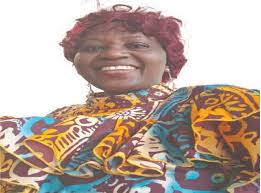
Controversy has arisen regarding the decision of Mensah Omolola, also known as Auntie Esther on social media platform X, a 38-year-old breast cancer patient based in Lagos, to decline a medically advised blood transfusion despite public donations exceeding ₦30 million raised to support her treatment. Omolola, a member of the Jehovah’s Witnesses, is receiving care at Lakeshore Cancer Center in Lagos.

Omolola initially gained public attention in November 2025 through a viral video appealing for financial assistance to commence treatment. Following substantial donations coordinated by public figures on X, including Dr. Olusina Ajidahun, Wisdom Obi-Dickson, @AUNTYMUSE_, and @Nimisioluwa, Omolola later disclosed her refusal to undergo a blood transfusion, citing religious beliefs consistent with Jehovah’s Witness doctrine. She stated that she and her family had elected to pursue alternative interventions, including injections and dietary supplementation, to support her blood count, with her doctors reportedly acknowledging and documenting her informed decision.
The announcement generated public debate, with criticism focusing on the perceived misalignment between the raised funds and her decision to forgo a critical component of recommended treatment. Organizers of the donation campaign, notably Obi-Dickson, expressed concerns regarding incomplete disclosure of medical requirements, leading to the withdrawal of some volunteers from active involvement in her case. Other observers defended Omolola’s religious rights, emphasizing her autonomy in medical decision-making.
Medical and legal experts highlighted the principle of informed consent in healthcare. Consultant Obstetrician and Gynecologist Dr. Babatunde Rosiji emphasized that while blood transfusions are considered life-saving interventions, competent adult patients cannot be compelled to undergo treatment against their expressed will, except in certain circumstances involving minors or individuals lacking decision-making capacity. Lawyer and rights activist Ridwan Abdulkareem noted that administering treatment without a patient’s consent constitutes a violation of fundamental rights, potentially exposing medical practitioners and institutions to legal liability.
Omolola’s case has drawn broader attention to the intersection of religious beliefs, patient autonomy, and public fundraising in Nigeria. While some commentators argue that funds raised should be redirected to other patients willing to undergo full treatment, others maintain that her religious freedoms and right to refuse medical intervention must be respected. Historical cases in Nigeria, including interventions by the Lagos State Government to secure life-saving transfusions for minors, illustrate the legal and ethical complexity of reconciling religious objections with medical imperatives.
Jehovah’s Witness doctrine prohibits the acceptance of whole-blood transfusions, though adherents may opt for non-blood alternatives. Official statements from JW.org assert that patients, including children, can undergo complex procedures safely without transfusions, framing the matter primarily as a religious rather than medical issue.#newsafro_