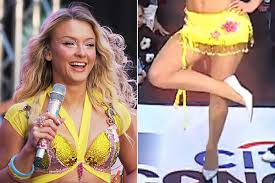











Robert Klah, Head of Public Events and Communications at Charterhouse, has urged event organisers, promoters, and recording artists to ensure that dancers and other performing artists engaged for entertainment events are compensated fairly and commensurately with their contributions.

Speaking in his official capacity, Mr. Klah emphasised that dancers constitute an integral component of live performance delivery and brand enhancement, and as such, their services must be treated with the professional respect and financial recognition they merit.
He called upon all stakeholders in the creative and entertainment industries to adopt equitable remuneration practices, in alignment with ethical labor standards and the principle of fair economic participation. Failure to provide appropriate compensation, he warned, may risk undermining the sustainability of the performing arts sector and may also expose parties to reputational and contractual liabilities.
Robert Klah, Head of Public Events and Communications at Charterhouse, has articulated serious concerns regarding the longstanding marginalisation and underappreciation of dancers within Ghana’s cultural and entertainment sectors.
Speaking recently with Graphic Showbiz, Mr. Klah highlighted that dancers have, for an extended period, been relegated to the status of mere accessories—despite their essential contributions to the vibrancy and success of live performances and music productions.
He emphasised that dancers play pivotal roles, whether energising high-profile stage shows or animating music through dynamic choreography and viral dance challenges. Nonetheless, their creative and economic value remains insufficiently recognised.
Mr. Klah remarked, “The marginalisation of dancers is neither novel nor isolated. These artistes are consistently overlooked, notwithstanding their status as a fundamental driving force behind numerous musical successes. While musicians may be identified by distinctive sounds, cultural dances such as Adowa, Agbadza, and Borborbor evoke images and emotions that transcend the music alone. Dance is inextricably linked to African celebrations and cultural heritage.”
Despite the cultural significance of dance, Ghana’s dance industry continues to face structural impediments, including the absence of dedicated platforms for showcasing talent, insufficient media representation, and a lack of formal recognition of dance as a legitimate and professional art form. These challenges hinder the sector’s development and the dancers’ ability to achieve deserved economic and artistic advancement.#newsafro_