











Pursuant to a newly signed presidential proclamation, President Donald J. Trump has instituted a series of entry restrictions affecting nationals from multiple countries, citing concerns related to national security and the integrity of the United States immigration system.

Effective June 9, 2025, the proclamation enacts a comprehensive entry ban on citizens from the following twelve (12) countries: Afghanistan, Myanmar, Chad, the Republic of the Congo, Equatorial Guinea, Eritrea, Haiti, Iran, Libya, Somalia, Sudan, and Yemen. Individuals holding nationality or citizenship from these countries shall be prohibited from entering the United States, subject to any applicable statutory exemptions or waivers.
In addition to the full entry prohibitions, the proclamation further imposes partial and category-specific visa restrictions on nationals of the following seven (7) countries: Burundi, Cuba, Laos, Sierra Leone, Togo, Turkmenistan, and Venezuela. The scope and nature of these restrictions may vary by visa classification and are subject to additional guidance to be issued by the Department of Homeland Security and the Department of State.
The stated rationale for the measure is the administration’s ongoing concern with national security vulnerabilities, including deficiencies in identity management, information-sharing practices, and visa overstay rates associated with the affected countries.
According to reporting by the BBC, the proclamation contains limited exemptions to the general travel restrictions. These include, but are not necessarily limited to, athletes participating in major international sporting events, certain Afghan nationals with special status or prior affiliations with the United States, and individuals holding dual nationality where one of the nationalities is from a country not subject to the ban.
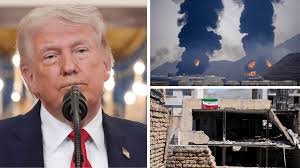
In a public statement issued via a recorded video posted on the social media platform X (formerly Twitter) on Wednesday, President Trump justified the imposition of the restrictions on national security grounds. He stated:
“We cannot have open migration from any country where we cannot safely and reliably vet and screen.”
The administration maintains that the measures are necessary to prevent individuals who may pose a potential threat to national security from entering the United States.
According to a statement released by the White House, the nations subject to the most stringent travel restrictions under the newly issued proclamation were identified based on several risk indicators, including: (i) the documented presence of terrorist organizations within their territories; (ii) insufficient cooperation with U.S. authorities on visa security protocols; and (iii) the absence of reliable identity-management and travel verification systems.
Additional justifications cited by the administration include systemic deficiencies in the maintenance of criminal records, failure to share pertinent data with international law enforcement bodies, and historically high rates of noncompliance with visa terms—specifically, overstays by nationals of the listed countries.
This directive forms part of a broader immigration enforcement agenda initiated by President Trump during the outset of his second term. On January 20, 2025, the President signed an executive order directing the implementation of enhanced security screening protocols for foreign nationals. The order further mandates a comprehensive review by relevant federal agencies to determine which countries should be subject to entry suspensions based on inadequacies in vetting capabilities.
The current proclamation is widely viewed as a continuation of President Trump’s earlier immigration policy, notably the Executive Order 13769 issued in 2017, which imposed travel restrictions on several predominantly Muslim nations. That measure was ultimately upheld by the Supreme Court of the United States in Trump v. Hawaii, 585 U.S. ___ (2018).
President Joe Biden rescinded the first-term travel ban via executive order in 2021, characterizing it as “a stain on our national conscience.”#newsafro_