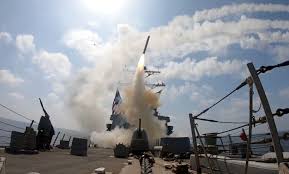












WASHINGTON — Hours after President Donald Trump ordered a U.S. and Israeli strike on Iran, the mission intended to swiftly topple the country’s leadership has quickly spun out of control.

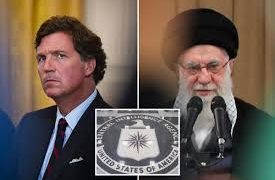
Fresh intelligence indicated that Iran’s 86-year-old supreme leader, Ali Khamenei, was meeting with top officials on February 28, prompting accelerated attacks aimed at eliminating the regime’s top tier in a single blow. While the strikes succeeded in killing Khamenei and other senior aides, they also wiped out many of the potential successors the administration had hoped would be more amenable to U.S. interests.
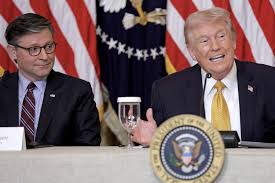
“Most of the people we had in mind are dead,” Trump acknowledged days later. “And now we have another group. They may be dead also… So I guess you’ll have a third wave coming in.”
Instead of triggering a rapid collapse, the Iranian regime has consolidated power. The new supreme leader, Khamenei’s son Mojtaba, vowed revenge, while Iran launched repeated strikes across the Middle East, halting oil flow through the Strait of Hormuz and sparking a global energy crisis.
The U.S. response has included evacuation efforts for Americans in the region, establishment of a 24/7 State Department task force, and deliberations over protecting oil shipments. Still, officials acknowledge the administration has struggled to articulate a clear strategy for ending the conflict.
Casualties are mounting. Thirteen American service members have died, with roughly 140 more injured. Tens of thousands of civilians have been displaced, and damage to infrastructure — including schools and cultural sites in Iran — has drawn international criticism.
Inside Washington, lawmakers have pressed for clarity on military objectives and timelines. Republican and Democratic officials alike report receiving conflicting information about the war’s scope and expected duration. “They’re all over the map,” one lawmaker said of the administration’s planning.
Trump, however, continues to frame the strikes as a success, suggesting the U.S. could declare victory at any moment. He has refused to rule out further military action and has indicated a hands-on role in influencing Iran’s leadership.
The situation in the Middle East remains volatile, with global energy markets rattled and regional allies uncertain about the next moves. Analysts warn that without a clear exit strategy, the conflict could spiral further, echoing past U.S. misadventures in the region.#newsafro_