
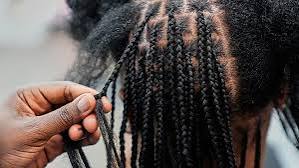
Discarded synthetic hair extensions, often dumped in rubbish heaps or washed into drainage channels, are finding a new purpose in Kenya through an initiative that transforms the waste into stylish handmade products.
Beauty enterprise Queening Afrika is leading the effort by collecting used synthetic hair from salons and turning it into bags and other handmade crafts.
Synthetic hair extensions are widely used by hairdressers to create braids, plaits and other hairstyles. However, once removed, the strands often become an environmental nuisance, with many ending up in dumpsites and drainage systems.
Damaris Kuria, co-founder of Queening Afrika, said the organization has partnered with salons by providing collection bags for discarded hair. The material is then transported to its workshop, where it is sorted, cleaned and prepared for crafting.
The all-women team separates the extensions according to color and texture, identifies reusable materials and processes them for weaving. Although there is a steady supply of discarded synthetic hair, not all collected materials are suitable for reuse.
Beyond environmental benefits, the initiative is creating employment opportunities and helping women develop practical skills.
The women work collaboratively, with experienced weavers sharing their knowledge with younger members. Veronica Musyoka, a mother of six who has been with the social enterprise for two years, uses her two decades of weaving experience to mentor younger women and children.
She said her involvement goes beyond teaching craft skills, as she also guides young mothers and children on challenges such as homelessness, early pregnancy and drug abuse.
For Musyoka, weaving provides an opportunity to pass on valuable skills that can help others improve their lives.
Another beneficiary, Rose Auma, a mother of one, said the enterprise has helped her earn an income and support her family, including paying for her children’s education.
The initiative also reflects the importance of informal businesses in Kenya’s economy. According to the Kenya National Bureau of Statistics’ Economic Survey 2026, the informal sector accounted for 87.2 per cent of the 822,100 new jobs created in the country in 2025.
Joyce Gitau, a youth adviser working with Plan International Kenya, said many women engage in waste collection because they have limited employment alternatives. She believes initiatives such as Queening Afrika offer a better opportunity to earn a sustainable livelihood.
Gitau noted that about 10 young women currently earn an income through the enterprise, using the proceeds to meet everyday needs, pay rent and support their children’s education.
For the women involved, Queening Afrika demonstrates how discarded materials can be transformed into valuable products while creating income opportunities, promoting skills development and addressing environmental waste.#newsafro_