
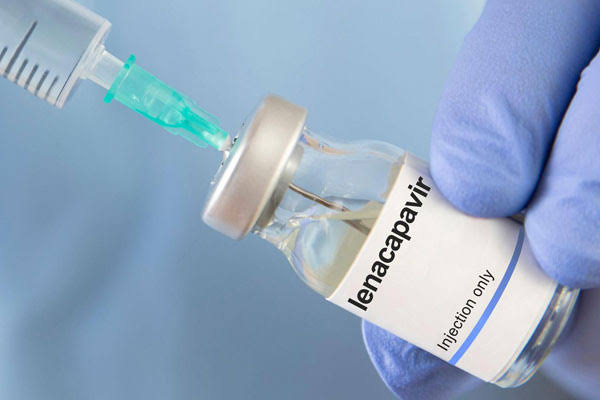
A new HIV prevention injection is raising hopes in Uganda, but limited supplies are preventing many people at high risk of infection from accessing the treatment.
Lenacapavir, developed by Gilead Sciences, is a long-acting preventive drug administered twice a year. Approved in the United States in 2025, it has shown remarkable effectiveness in clinical studies, offering an alternative to daily preventive pills that people may struggle to take consistently.
In Mbarara, a city in western Uganda where HIV prevalence is estimated at 10 per cent—about twice the national average—the drug is in short supply. Many people are instead offered cabotegravir, another HIV prevention injection administered every two months.
Immaculate Nyamwija, founder of Action for Improved Health and Wealth, an organization supporting women who face discrimination, says funding cuts have disrupted community outreach programs that previously brought HIV testing, counseling and preventive services closer to vulnerable populations.
She also expressed concern that some people delay seeking medical attention until they develop symptoms, increasing the risk of unknowingly transmitting the virus.
Uganda has approximately 1.5 million people living with HIV. Health officials have identified urban hotspots, including areas associated with commercial sex, as priority locations for prevention efforts, citing inconsistent condom use and limited awareness of HIV risks.
At Mbarara Health Center IV, nursing officer and counselor Tarsisio Biryeija says some people engage in unprotected sex without fully appreciating the dangers of HIV infection.
Authorities have designated Mbarara as one of the priority areas for distributing lenacapavir after Uganda was included in a US-supported initiative to expand access to the drug. However, the limited number of available doses has forced health officials to ration supplies among districts across the country.
For sex workers in Mbarara’s Kijungu district, the injection offers the prospect of greater convenience and privacy. Nyamwija says many prefer its six-month protection period because it reduces the burden of carrying and taking daily pills.
Lisa Mutoni, a Rwandan sex worker living in Uganda, said she previously used daily preventive medication before switching to cabotegravir. She would prefer lenacapavir but frequently finds that supplies have run out when she visits health facilities.
Mutoni believes wider availability would help sex workers who travel or relocate for extended periods maintain more consistent protection against HIV.
Meanwhile, the Global Fund and the United States aim to support access to lenacapavir for up to three million people by the end of 2028. By mid-September 2026, 430,000 doses had reportedly been delivered, while national programs reported that more than 118,000 people had received the drug.
Gilead Sciences says it is working with international partners to provide lenacapavir without profit through the Global Fund and the US President’s Emergency Plan for AIDS Relief (PEPFAR), while generic manufacturers increase production. Initial generic supplies are expected in late 2026, with wider availability anticipated in 2027.
Although lenacapavir represents a significant development in HIV prevention, its impact in Uganda will depend on whether supplies can be expanded and vulnerable communities can access the drug alongside testing, counseling, condoms and other essential prevention services.#newsafro_