
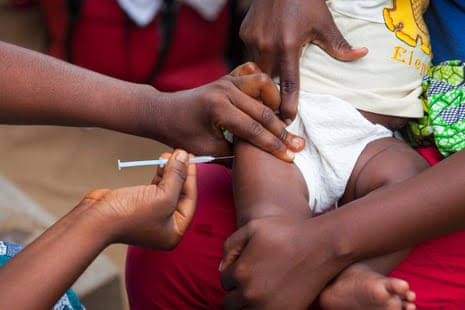
A controversial hepatitis B vaccine trial involving newborns in Guinea-Bissau has received approval to proceed, despite concerns from scientists and public health experts, according to a report by The Guardian.
The study, backed by the United States and involving 14,000 babies, will be conducted by Danish researchers. Under the proposed design, half of the newborns will not receive the hepatitis B vaccine during their first six weeks of life.
The $1.6 million project is funded by the US Department of Health and Human Services. It has attracted criticism partly because of US Health Secretary Robert F. Kennedy Jr.’s longstanding skepticism towards vaccines and changes to universal hepatitis B vaccination recommendations for American infants.
The trial was suspended for review in January following widespread criticism from scientists. However, The Guardian reports that a Danish ethics committee and authorities in Guinea-Bissau have since approved the project.
Opponents argue that withholding a proven vaccine from newborns, even temporarily, raises serious ethical and public health concerns, particularly in a country where hepatitis B remains prevalent.
The Africa Centers for Disease Control and Prevention has also expressed opposition to the trial. According to The Guardian, the organization said discussions between the United States and Guinea-Bissau were ongoing.
The World Health Organization estimates that more than 12 per cent of adults in Guinea-Bissau live with chronic hepatitis B, while infection among children under five stands at approximately 2 per cent—well above the global target of less than 0.1 per cent.
Guinea-Bissau plans to introduce hepatitis B vaccination for all newborns in 2028, adding to concerns about the implications of delaying protection for infants participating in the study.
The trial has reignited debate over research ethics, informed consent and the responsibility of governments to protect vulnerable populations while advancing medical research.#newsafro_