
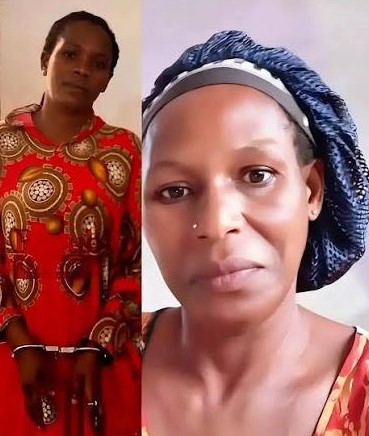
A Ghanaian TikToker has been sentenced to one year in prison after admitting to publishing false claims that President John Dramani Mahama buried 32 cows as part of a ritual to secure victory in the 2024 general election.
Camilla Alhassan, 43, was convicted by an Accra Circuit Court on Thursday, July 16, after pleading guilty to charges of offensive conduct and publishing false news. The court ruled that a custodial sentence was necessary to discourage the growing spread of misinformation on social media.
According to prosecutors, Alhassan posted a series of TikTok videos between June 30 and July 5, 2026, alleging—without evidence—that President Mahama sacrificed 32 cows to win the election. She also claimed the government’s distribution of sanitary pads to victims of the June 29 floods was intended to conceal the alleged ritual.
Alhassan was arrested by the Ghana Police Service on July 10 after failing to honor an earlier invitation for questioning. She had previously said in one of her videos that she could not appear before investigators unless accompanied by her brother.
Although prosecutors also charged her with electronic abuse, the court struck out that count after ruling it lacked jurisdiction to hear the offence.
Her lawyer, Kwadwo Gyamfi Bonsu, appealed for a lighter sentence, but the request was rejected. The judge reportedly noted that the increasing number of similar offences involving false information online made a prison sentence necessary to serve as a deterrent.
The case is part of a broader crackdown on misinformation in Ghana. Over the past year, several social media users have faced legal action over posts targeting senior government officials.
In September 2025, TikToker David Kwodwo Prah Afful, popularly known as Kwame Nkrumah II, was sentenced to seven months in prison after being convicted of making death threats against President Mahama and members of parliament in a viral video.
Earlier this year, a pastor was also remanded in custody over an alleged death threat against Ghana’s vice president, while other content creators were arrested for making threatening remarks directed at President Mahama and the First Lady.
The latest conviction has reignited public debate over the balance between freedom of expression and the fight against online misinformation. While the Media Foundation for West Africa has criticized the use of criminal laws to prosecute speech-related offences, the organization has also warned against the dangers of false information and hate speech on digital platforms.
Meanwhile, the Mahama administration has indicated that it is considering tougher laws to combat misinformation, warning that individuals who deliberately spread false information capable of causing public fear or unrest could face prosecution.#newsafro_