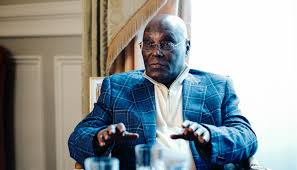














Former Vice President Atiku Abubakar may have secured a symbolic political win, but the outcome has also exposed growing fractures within Nigeria’s opposition ranks.

What appeared to be a victory for Atiku has instead underscored persistent challenges facing opposition parties as they struggle to present a united front against the ruling government. Analysts say internal rivalries, competing ambitions, and a lack of cohesive strategy continue to weaken the opposition’s ability to build momentum ahead of future elections.
The latest developments have reignited questions about leadership within the opposition, with critics arguing that personal political interests often take precedence over broader efforts to challenge the status quo. Supporters, however, maintain that Atiku remains one of the few figures capable of uniting disparate political groups.
The episode has also highlighted lingering tensions among key opposition stakeholders, many of whom remain divided over strategy, alliances, and the path forward. These disagreements have complicated attempts to build a broad coalition capable of mounting a serious electoral challenge.
Political observers note that while Atiku’s achievement may offer a short-term boost, it does little to address the deeper structural issues confronting the opposition. Without greater unity and a clear political vision, they argue, the opposition risks remaining fragmented and ineffective.
As Nigeria’s political landscape continues to evolve, the real test for opposition leaders may not be winning individual battles but overcoming the divisions that have repeatedly undermined their collective strength.#newsafro_