
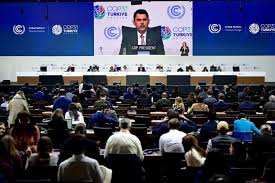
The COP31 climate summit in Turkey has ended without a comprehensive agreement, following deep divisions among participating countries over fossil fuels, climate financing and carbon-removal technologies.
The negotiations, which extended two days beyond the scheduled closing date, broke down after countries failed to reach a consensus on whether the final agreement should include provisions for phasing out fossil fuels.
UN Climate Chief Simon Stiell expressed disappointment over the outcome, warning that the failure to secure agreement on key decisions must not become a recurring feature of international climate negotiations.
He stressed that the world could not afford another summit ending without progress on critical climate commitments.
Negotiators arrived at the summit with 165 agenda items to address. Although progress was recorded on several issues, major disagreements prevented consensus on some of the most contentious matters.
Apart from fossil fuels, countries remained divided over financial support for developing nations, the timing of scientific assessments and the role of carbon capture technologies in tackling climate change.
Stiell acknowledged that the summit had delivered some progress but fell short of the expectations required at a critical moment for global climate action.
The failure to reach agreement has also renewed calls for reforms to the COP decision-making process, which relies on consensus among participating countries. Under the existing system, individual nations can effectively block proposed agreements.
However, efforts to reform the process face similar challenges, as any significant changes would also require consensus.
With formal negotiations struggling to deliver ambitious commitments, attention is increasingly shifting towards alternative approaches, including legal action and cooperation among groups of countries willing to accelerate efforts to phase out fossil fuels.#newsafro_