
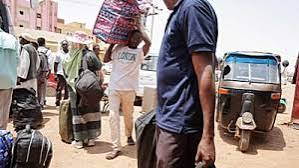
Sudan is facing a worsening fuel shortage that is disrupting transport, freight services and factory production, while pushing up the cost of food and other basic goods.
The shortage has been linked to global oil supply disruptions arising from the conflict in the Middle East, as well as restrictions affecting fuel imports into Sudan.
In Khartoum, residents say the crisis has brought economic activity to a standstill, with transport costs rising sharply and supplies becoming increasingly difficult to move.
“The movement of goods and people has stopped, and the market is totally paralyzed. We need solutions, not promises,” said Khartoum resident Mohamed Hassan.
Prime Minister Kamil Idriss has ordered additional petroleum supplies to service stations in an effort to ease the shortages and improve availability.
However, analysts say the crisis goes beyond the immediate supply disruption. The prolonged shutdown of the al-Jaili refinery, foreign exchange shortages and difficulties financing fuel imports continue to undermine the country’s fuel supply.
A central bank requirement that fuel importers deposit the equivalent of 200 kilograms of gold has also made it harder for traders to participate in the import market.
With Sudan still engulfed in civil war, the shortage has fueled a growing black-market trade in petroleum products across government-controlled areas, adding further pressure on already struggling households.#newsafro_