








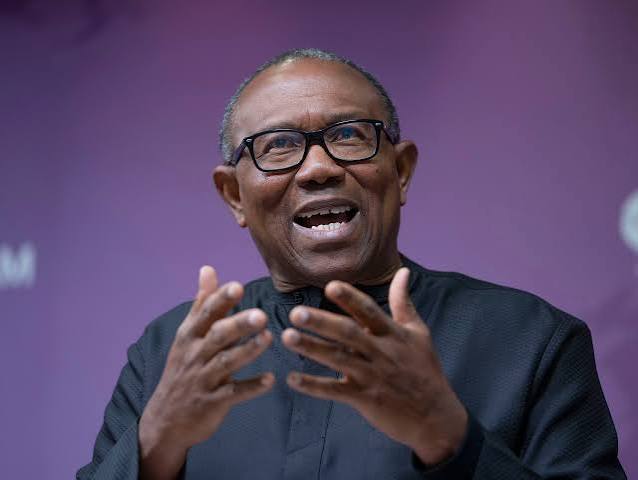
Former Anambra State governor and presidential hopeful Peter Obi has called for major cuts in government spending and stronger action against corruption as part of efforts to address Nigeria’s worsening cost-of-living crisis.

Speaking to AFP in Abuja on Tuesday, Obi said Nigeria must reduce the cost of governance and redirect public resources towards areas that directly affect citizens, including healthcare, education and poverty reduction.
“We need to cut the cost of governance. And fight corruption,” Obi said.
According to the former governor, improving security and uniting the country while investing resources in critical sectors could make a significant difference in the lives of Nigerians.
Security and Poverty Remain Major Concerns
Obi also linked Nigeria’s security challenges to widespread poverty, arguing that creating more jobs and expanding manufacturing could help reduce crime.
“The more you pull people out of poverty, the more you reduce criminality,” he said, while calling for greater investment in manufacturing and job creation.
The manufacturing sector’s contribution to Nigeria’s economy has declined significantly over the years, falling from about 21 percent of GDP in 1994 to eight percent in 2025, according to the World Bank.
Nigeria continues to face multiple security threats, including jihadist insurgencies, criminal gangs, separatist violence and conflicts between farmers and herders.
Obi Criticizes Corruption in the Oil Sector
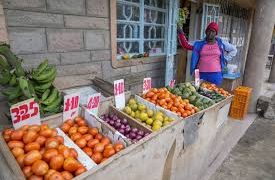
The cost of living has become one of the major issues ahead of Nigeria’s next presidential election, with food, transportation and other basic expenses rising sharply.
President Bola Tinubu’s administration has defended its economic reforms, including the removal of the petrol subsidy, arguing that the policy was necessary to prevent a deeper economic crisis.
However, Obi believes Nigeria could reduce pressure on citizens without bringing back the subsidy by tackling corruption and inefficiencies in the oil sector.
He also expressed support for the creation of state police, a reform that would give states greater responsibility for tackling insecurity.
Can Obi Challenge Tinubu?
The 2023 presidential election produced a closely contested race, with Peter Obi, Atiku Abubakar and Rabiu Kwankwaso splitting much of the opposition vote while Tinubu emerged victorious with 36.6 percent of the vote.
There are concerns that another division of the opposition vote could again benefit the incumbent.
Obi, however, argued that Nigerians should be given the opportunity to decide which candidate is best suited to lead the country.
He also raised concerns about election security after his convoy was reportedly stopped while traveling through a volatile part of Benue State.
With Nigerian elections often affected by violence and voter intimidation, Obi warned that insecurity and political thuggery could discourage citizens from turning out to vote.
“People don’t come out when there’s rascality and bad behavior,” he said.
As the election campaign gathers momentum, the economy, insecurity, corruption and the high cost of living are expected to remain central issues for Nigerian voters.#newsafro_