



















African travelers planning to visit Europe may need to spend more time at border control as stricter biometric checks are introduced at 29 European border crossings.

The development follows the latest changes to the European Union’s Entry/Exit System (EES), which is designed to digitally record the movements of eligible non-EU travelers entering and leaving participating European countries.
Temporary measures that allowed authorities to suspend some biometric procedures during periods of severe congestion expired on September 6, meaning travelers may now face the full registration process.
The new system affects a wide range of non-EU visitors, including African tourists, students, business travelers and those traveling to Europe to visit family members.
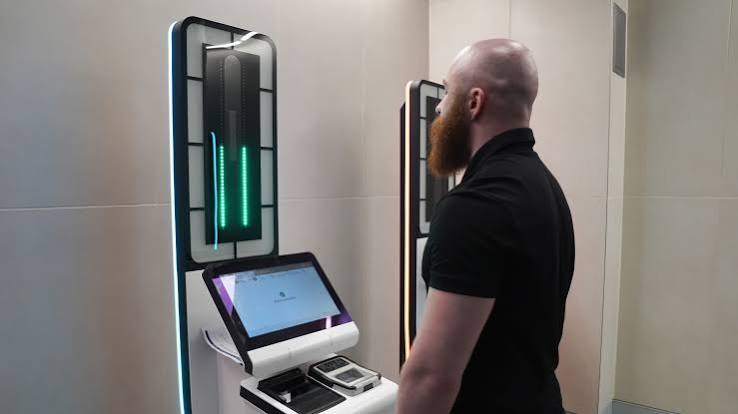
As part of the process, travelers may be required to provide their passport information, fingerprints and facial images.
Those using the EES for the first time could spend additional time at border control while their biometric information is registered, either at a self-service kiosk or with a border officer.
Having previously provided fingerprints for a Schengen visa does not necessarily mean a traveler will be exempt from the new registration process.
Airlines have also warned that the additional checks could contribute to longer queues and delays at some airports. For passengers with tight schedules, such delays could potentially result in missed flights or connections.
African travelers heading to Europe are therefore advised to arrive early and allow sufficient time for immigration and biometric procedures.
With the stricter checks now in effect, planning ahead could make the difference between a smooth journey and a stressful start to a European trip.#newsafro_