
Before the 2026 FIFA World Cup began, many feared the tournament would be remembered for all the wrong reasons. Concerns over political tensions, a prolonged US government shutdown, rising travel costs, and the conflict involving Iran led some to believe the month-long event could turn into a logistical and public relations disaster.
Instead, the World Cup delivered one of the most memorable sporting celebrations in recent history.
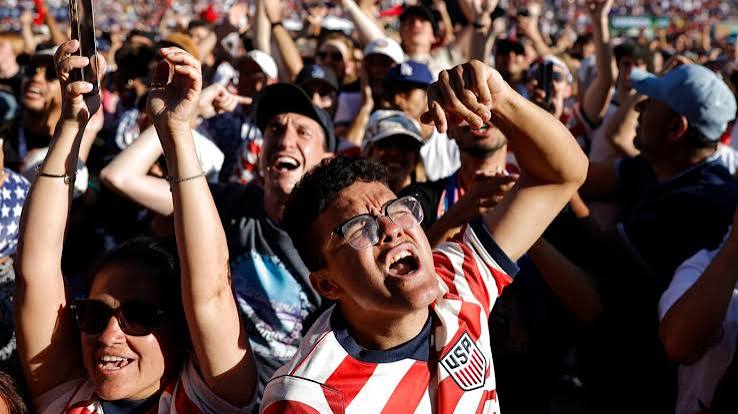
From the opening match in Mexico City to the final in New Jersey, the tournament united millions of fans from around the world. Streets, stadiums, and fan zones across North America were packed with supporters celebrating their teams and embracing local cultures.
Fans from Scotland, Norway, Brazil, Argentina, Colombia, and many other nations transformed host cities into lively festivals, while international visitors embraced uniquely American experiences, from dining at Waffle House to stopping at Buc-ee’s during their travels.
For American soccer fans, there was also a brief period of optimism after the US men’s national team opened the tournament with two impressive victories. Although Belgium eventually knocked the Americans out, the team’s early performances generated excitement and hope for the future of soccer in the country.
Politics occasionally threatened to overshadow the competition. Iran faced travel and logistical challenges, visa issues affected several nations, and President Donald Trump’s involvement in the Folarin Balogun controversy sparked debate over the tournament. However, once the matches kicked off, the football consistently stole the spotlight.
The tournament produced countless unforgettable moments, including Argentina’s dramatic comeback victory over Egypt and Cape Verde’s spirited performances against some of the world’s top teams. Those thrilling matches reminded fans why the World Cup remains the biggest event in international football.
Beyond the action on the pitch, the tournament helped reshape perceptions of the United States. Many international visitors praised the hospitality, kindness, and friendliness they experienced throughout their stay, challenging many of the stereotypes they had formed from global news coverage.
While economists will continue to debate whether hosting the World Cup was financially worthwhile, its cultural impact is undeniable. For 39 days, people from every corner of the globe came together to celebrate football, share experiences, and create memories that will last long after the final whistle.
The 2026 World Cup proved to be more than just a football tournament. It became a celebration of unity, culture, and sport, leaving a lasting impression on both the millions of visitors who attended and the Americans who welcomed them.#newsafro_