
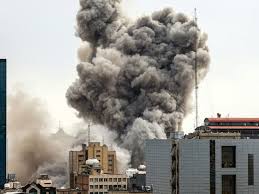
The United States is facing significant challenges in evacuating its citizens from parts of the Middle East as regional tensions escalate and American assets come under attack. Recent Iranian retaliatory strikes targeting U.S. and allied facilities in the region have disrupted air travel and limited safe transit options, complicating evacuation efforts.
U.S. government officials are working to coordinate departures, but flights in and out of affected areas, including major Gulf cities such as Dubai and Abu Dhabi, have been partially suspended or canceled, leaving many Americans stranded. Diplomats and embassy personnel are prioritizing the relocation of nonessential personnel, but operational constraints and security concerns are delaying the process.
The military strikes follow U.S. and Israeli operations against Iranian sites, which have prompted Iran to target multiple Gulf states with missiles and drones. This has placed both civilian and military infrastructure at risk and increased the urgency for Americans in the region to find safe passage.
Authorities continue to provide guidance and updates through consular channels, but evacuees report confusion and limited access to clear information. The situation underscores the broader instability in the Middle East and the difficulties inherent in coordinating large-scale evacuations under active conflict conditions.Military escalation: Israel has reportedly launched a tenth wave of airstrikes in Tehran. U.S. President Donald Trump stated that Iran’s air force and navy had been “knocked out,” while the U.S. military reported the destruction of 17 Iranian ships and nearly 2,000 strategic targets. Casualty estimates indicate over 1,000 fatalities in Iran since the onset of hostilities.
Diplomatic and civilian evacuation: The United States has closed embassies in three countries, scaled back regional diplomatic staffing, and issued advisories urging American citizens to depart the area. The United Arab Emirates announced the establishment of safe air corridors with neighboring states to facilitate the evacuation of stranded nationals.
Economic and trade implications: The conflict has introduced significant volatility to global oil markets. President Trump authorized U.S. “insurance and guarantees” for vessels transiting the Gulf and indicated that the U.S. Navy may provide escort services for tankers passing through the Strait of Hormuz if required.#newsafro_